
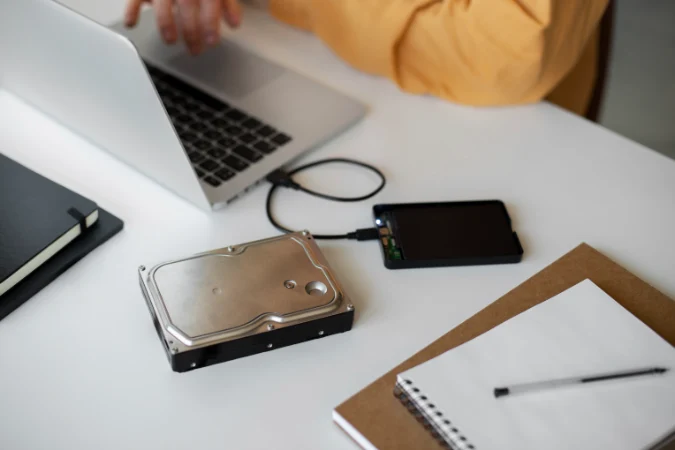
Modern life produces devices faster than it retires them. Phones and laptops and tablets and routers and accessories often stay around long after they stop being actively used, shoved into drawers, stacked in corners, “just in case.” It’s not nostalgia that makes us hoard our gear; it’s uncertainty. Many of us aren’t exactly sure which devices are still relevant, how many of them contain sensitive information, or which are simply OK to let go. This article takes a look at how and why many of us end up with hoarder-like tech stashes, and how they quietly munch away at our space before we’ve even realized it
. You’ll learn about what a reasonable storage strategy looks like, how to determine what devices are deserving of safekeeping, how to store electronics in a way that minimizes the risk of data loss and physical damage to the items in question, and how to keep outmoded technology from spilling out of its discretely labeled cabinet the next time someone leaves a device behind. The goal here is clarity and security, and a system that keeps the insatiable machine of modern living from being buried under yesterday’s hardware.
How outdated tech clutters daily space
Outdated tech rarely feels urgent enough to deal with, which is why it slowly takes over drawers, shelves, and closets. Old phones, laptops, cables, and accessories get stored with the idea that they might be useful someday, even if that day never comes. Over time, these items crowd everyday storage and make it harder to organize what’s actually in use. The clutter isn’t just physical, it creates uncertainty about data, value, and disposal. When space starts to feel tight, people look for ways to move inactive devices out of daily areas, often using options like self storage on Mableton Pkwy to stage electronics safely while decisions are made. Recognizing how outdated tech quietly accumulates helps shift storage from avoidance to intentional planning. visit my website
What devices still deserve safekeeping
Not every old device needs to be treated the same. Knowing what to keep makes storage decisions easier and safer.
Essential Principles to Follow:
- Protect devices with stored data
Phones and computers that may still contain personal or work information deserve secure handling. - Keep functional backups intentionally
Working devices kept as backups should be labeled and stored properly. - Separate value from clutter
Items with resale, reuse, or archival value should be distinguished from obsolete hardware.
Common Pitfalls to Avoid:
- Keeping every device “just in case”
- Storing electronics without wiping data
- Mixing chargers and accessories without labeling
- Forgetting what’s stored and why
Creating a clear exit plan for electronics
Step 1: Inventory all old devices in one pass. List what still powers on, what contains data, and what is clearly obsolete. This removes guesswork and repeated handling.
Step 2: Classify devices into three paths: keep (active backups or sentimental items), pause (undecided or awaiting data transfer), and exit (recycle, donate, or sell).
Step 3: Move paused devices out of daily living space. Many people use options like Mableton storage by NSA to keep electronics secure while decisions or data transfers are completed.
Step 4: Prepare devices properly before storage. Power them down, remove batteries where possible, and store accessories together with clear labels.
Step 5: Set a review date. An exit plan only works if paused devices are revisited instead of forgotten.
Protecting data while storing hardware
How can stored devices stay data-safe?
Encrypt drives where possible and remove accounts before storage. Physical security matters as much as digital cleanup.
Is it risky to store devices long-term?
Not if conditions are stable. Dry, temperature-controlled environments reduce hardware degradation.
How often should stored devices be checked?
Once a year is enough. Periodic checks ensure batteries haven’t leaked and data plans are still relevant.
Adjusting storage as tech cycles repeat
Technology cycles never stop; they just speed up. Newer devices supplant the older ones, and unless you have a system in place, yesterday’s incoming hardware will become today’s clutter. Tweaking your storage habits with each cycle keeps technology manageable and not overwhelming. Small habits like reviewing the devices you have stored each year or giving them up for good by setting an end date each year keeps accumulation at bay. Before long, it’ll feel more like a reset point and less of a dump.
Schedule a yearly tech review and clear one paused device from storage.
Questions people ask about storing old tech
Should I keep old devices as backups?
Only if they still function and serve a clear purpose. Otherwise, they add more complexity than security.
Is deleting files enough before storage?
Deleting helps, but full resets or drive wipes are safer. Data security should always come first.
Can old devices be recycled safely?
Yes, through certified e-waste programs. Proper recycling protects data and the environment.
When should devices be let go?
When they no longer serve a purpose or can’t be securely stored. Clear criteria make decisions easier.