
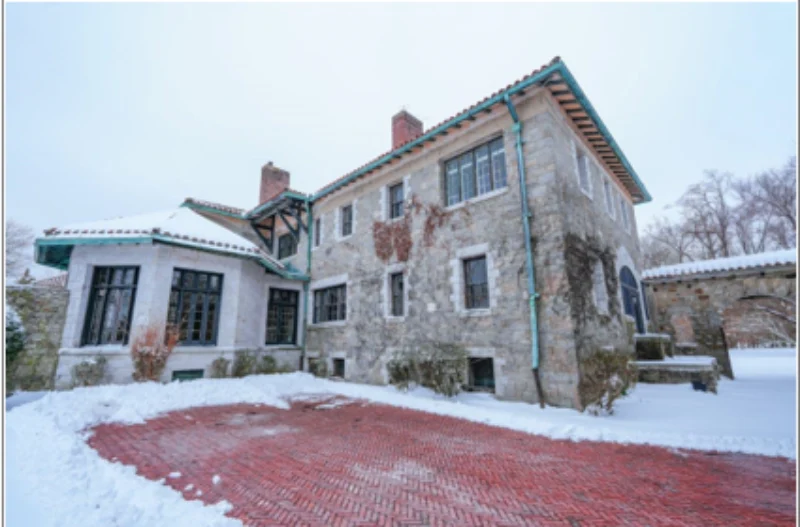
Is your home truly cozy, or just styled to look that way online? We see the candles and knit throws everywhere, but real warmth comes from systems that work, not just good lighting.As winters grow longer and colder across the U.S., even in places like Paradise, TX, homeowners are paying closer attention to heating, insulation, and efficiency. People are asking smarter questions about why rooms feel cold and how heat actually moves through a house. In this blog, we will share what it really takes to heat a home the right way, from smart upgrades to working with the right people, so your house stays warm when it actually matters.
Why Heat Isn’t Just a Temperature Setting
Comfort isn’t just about degrees. It’s about how evenly heat spreads, how well it stays in, and how little effort it takes to maintain.This is where so many homeowners get tripped up. They focus on the thermostat, not the system. A brand-new smart thermostat can’t help if the heater behind it is outdated or neglected. And a powerful furnace won’t save you if your home leaks warm air faster than it can replace it.
The first step in doing heat right? Get the basics inspected. Before winter hits, have your furnace or heating unit cleaned and tuned. Clogged filters, loose connections, and buildup from last year can reduce efficiency and overwork your system. That means higher energy bills and colder rooms.If you’re in an area, like Paradise, where winter can surprise you with sharp temperature drops, you need to be ready. One cold snap without a working system can turn a minor oversight into a major disruption. That’s why it’s smart to connect with a reliable company that specializes in winter heater repairs in Paradise, TX, before you’re suddenly dealing with a breakdown. It’s not just about fixing what’s broken. It’s about preventing the kind of failure that leaves you wrapped in blankets and waiting on emergency service.
Insulation: The Unsung Hero of Warmth
Heating your home is one thing. Keeping the heat in is another. Poor insulation is like pouring hot coffee into a paper cup with holes. You’re paying for heat, but you’re not getting the full benefit.Check your attic first. Heat rises, and if your attic isn’t insulated well, that’s where your warmth is going. Next, look at the basement or crawl space. Cold air seeps in from below, making floors icy and forcing your heater to work harder.Windows are another common leak zone. You don’t have to replace them all to make a difference. Weatherstripping, heavy curtains, and simple caulk can help seal in warmth without breaking the budget.Doors matter too. If you can see daylight through the edges of your doorframe, you’re losing heat. Use draft stoppers or install new seals. These fixes are simple, cheap, and immediate.
Zoning, Circulation, and That One Freezing Room
Every house has one. The room that’s never quite warm. You crank the heat, and the rest of the house feels like a sauna, but that room stays cold. This usually isn’t a heater issue. It’s a circulation problem.Ductwork can shift or get blocked over time. Vents may be closed or covered by furniture. Or your system may not be zoned well. Zoning allows you to heat parts of the house based on how and when you use them. That way, you’re not wasting energy heating unused space.A simple fix? Add a space heater in cold-prone areas, but use it with caution. Never leave it running unattended, and keep it away from curtains or furniture. Long-term, you’re better off getting a duct check or airflow test to find the root of the issue.
Ceiling fans can also help in winter. Set them to spin clockwise at a low speed. This pushes warm air down without creating a draft.
The Role of Smart Tech and Regular Habits
Technology can help, but only if you use it right. A smart thermostat lets you set schedules, adjust temperatures remotely, and track your usage. But the key is consistency. If you’re constantly turning the heat way up, then way down, your system works harder and wastes energy.
Instead, try keeping your home at a steady temperature throughout the day and lowering it slightly at night. This saves money without sacrificing comfort. If you’re away during the day, set it a few degrees lower and bring it back up before you return. Many thermostats can do this automatically.
Also, pay attention to your habits. Don’t block vents with rugs or furniture. Don’t forget to replace filters every few months. And don’t assume last winter’s setup will still work the same. Homes age. Systems shift. What worked one year might not cut it the next.
When Heating Fails, Everything Feels Smaller
Few things change the mood of a home faster than cold. Rooms feel tighter. Patience runs thin. Even simple tasks take more effort when your hands are stiff and your breath feels heavy indoors. This is why heating issues never feel minor, even when the problem starts small.
A system that struggles doesn’t just affect temperature. It affects daily routines. Kids avoid certain rooms. Pets curl up near vents. People start layering clothes instead of relaxing. These are early warning signs that your heating setup is falling behind your needs.
Cold stress also impacts sleep and focus. Research continues to show that indoor comfort affects productivity and rest, which matters now more than ever with so many people working and learning from home. When heat becomes unreliable, the entire home experience shrinks. Fixing heating issues early keeps your space open, usable, and livable—no matter what winter brings.
The bottom line? In a world obsessed with instant coziness and Pinterest-perfect living rooms, it’s easy to forget what actually makes a home livable during winter. Real warmth doesn’t come from aesthetics. It comes from systems that work, air that moves right, and a plan that doesn’t panic when the first frost hits.
Is your home truly cozy, or just styled to look that way online? We see the candles and knit throws everywhere, but real warmth comes from systems that work, not just good lighting.
As winters grow longer and colder across the U.S., even in places like Paradise, TX, homeowners are paying closer attention to heating, insulation, and efficiency. People are asking smarter questions about why rooms feel cold and how heat actually moves through a house. In this blog, we will share what it really takes to heat a home the right way, from smart upgrades to working with the right people, so your house stays warm when it actually matters.
Why Heat Isn’t Just a Temperature Setting
Comfort isn’t just about degrees. It’s about how evenly heat spreads, how well it stays in, and how little effort it takes to maintain.This is where so many homeowners get tripped up. They focus on the thermostat, not the system. A brand-new smart thermostat can’t help if the heater behind it is outdated or neglected. And a powerful furnace won’t save you if your home leaks warm air faster than it can replace it.
The first step in doing heat right? Get the basics inspected. Before winter hits, have your furnace or heating unit cleaned and tuned. Clogged filters, loose connections, and buildup from last year can reduce efficiency and overwork your system. That means higher energy bills and colder rooms.
If you’re in an area, like Paradise, where winter can surprise you with sharp temperature drops, you need to be ready. One cold snap without a working system can turn a minor oversight into a major disruption. That’s why it’s smart to connect with a reliable company that specializes in winter heater repairs in Paradise, TX, before you’re suddenly dealing with a breakdown. It’s not just about fixing what’s broken. It’s about preventing the kind of failure that leaves you wrapped in blankets and waiting on emergency service.
Insulation: The Unsung Hero of Warmth
Heating your home is one thing. Keeping the heat in is another. Poor insulation is like pouring hot coffee into a paper cup with holes. You’re paying for heat, but you’re not getting the full benefit.
Check your attic first. Heat rises, and if your attic isn’t insulated well, that’s where your warmth is going. Next, look at the basement or crawl space. Cold air seeps in from below, making floors icy and forcing your heater to work harder.
Windows are another common leak zone. You don’t have to replace them all to make a difference. Weatherstripping, heavy curtains, and simple caulk can help seal in warmth without breaking the budget.
Doors matter too. If you can see daylight through the edges of your doorframe, you’re losing heat. Use draft stoppers or install new seals. These fixes are simple, cheap, and immediate.
Zoning, Circulation, and That One Freezing Room
Every house has one. The room that’s never quite warm. You crank the heat, and the rest of the house feels like a sauna, but that room stays cold. This usually isn’t a heater issue. It’s a circulation problem.Ductwork can shift or get blocked over time. Vents may be closed or covered by furniture. Or your system may not be zoned well. Zoning allows you to heat parts of the house based on how and when you use them. That way, you’re not wasting energy heating unused space.A simple fix? Add a space heater in cold-prone areas, but use it with caution. Never leave it running unattended, and keep it away from curtains or furniture. Long-term, you’re better off getting a duct check or airflow test to find the root of the issue.Ceiling fans can also help in winter. Set them to spin clockwise at a low speed. This pushes warm air down without creating a draft.
The Role of Smart Tech and Regular Habits
Technology can help, but only if you use it right. A smart thermostat lets you set schedules, adjust temperatures remotely, and track your usage. But the key is consistency. If you’re constantly turning the heat way up, then way down, your system works harder and wastes energy.Instead, try keeping your home at a steady temperature throughout the day and lowering it slightly at night. This saves money without sacrificing comfort. If you’re away during the day, set it a few degrees lower and bring it back up before you return. Many thermostats can do this automatically.Also, pay attention to your habits. Don’t block vents with rugs or furniture. Don’t forget to replace filters every few months. And don’t assume last winter’s setup will still work the same. Homes age. Systems shift. What worked one year might not cut it the next.
When Heating Fails, Everything Feels Smaller
Few things change the mood of a home faster than cold. Rooms feel tighter. Patience runs thin. Even simple tasks take more effort when your hands are stiff and your breath feels heavy indoors. This is why heating issues never feel minor, even when the problem starts small.
A system that struggles doesn’t just affect temperature. It affects daily routines. Kids avoid certain rooms. Pets curl up near vents. People start layering clothes instead of relaxing. These are early warning signs that your heating setup is falling behind your needs.Cold stress also impacts sleep and focus. Research continues to show that indoor comfort affects productivity and rest, which matters now more than ever with so many people working and learning from home. When heat becomes unreliable, the entire home experience shrinks. Fixing heating issues early keeps your space open, usable, and livable no matter what winter brings.The bottom line? In a world obsessed with instant coziness and Pinterest-perfect living rooms, it’s easy to forget what actually makes a home livable during winter. Real warmth doesn’t come from aesthetics. It comes from systems that work, air that moves right, and a plan that doesn’t panic when the first frost hits. for more information visit my website