
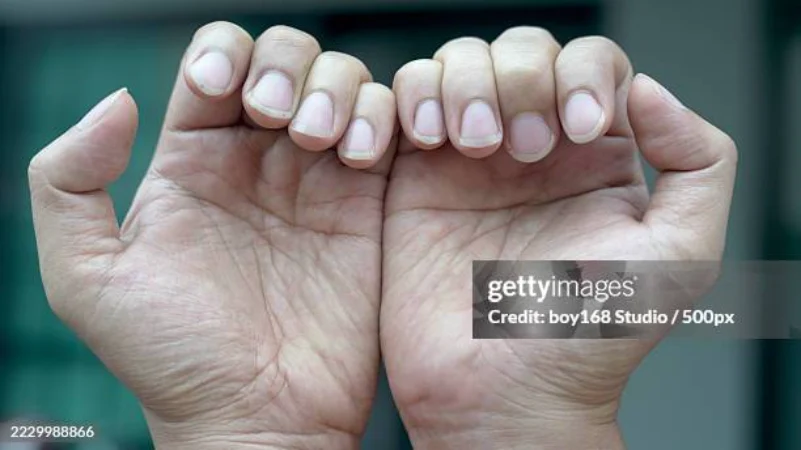
Nails often reflect internal health before other signs appear. One of the most discussed nail features is the lunula. Many people notice changes in its color, size, or visibility without understanding the meaning. A lunula nail health chart helps explain what these changes may indicate. Learning how to read this chart can support early awareness and better personal care.
What Is a Lunula and Why It Matters
The lunula is the pale, half-moon shape visible at the base of some fingernails. It forms part of the nail matrix, which is responsible for nail growth. Because this area is closely linked to blood supply and nutrient flow, its appearance can change when the body is under stress.Not everyone has visible lunulae on all fingers. Thumbs usually show them most clearly. Their absence does not always signal illness. However, sudden or unusual changes may deserve attention.
Understanding the Lunula Nail Health Chart
A lunula nail health chart visually connects lunula appearance with possible health signals. Doctors and wellness experts use it as a reference, not a diagnosis tool. The chart focuses on three main factors: color, size, and presence.Changes should be considered alongside other symptoms. Nail signs alone cannot confirm a condition. Still, they can act as an early indicator worth monitoring.
Lunula Colors and Their Possible Meanings
Color changes are the most noticeable features on a lunula nail health chart. Each shade may suggest different internal conditions.
White or Pale Lunula
A white lunula is considered normal for many people. It often reflects balanced circulation and steady nail growth. Clear white lunulae usually appear on thumbs and index fingers. If the lunula becomes extremely pale or disappears suddenly, it may be linked to fatigue, low energy levels, or nutritional gaps.
Blue or Purple Lunula
Blue or purple shades can suggest oxygen circulation concerns. This change may appear in cold conditions or during temporary blood flow issues. Persistent discoloration should not be ignored. Medical professionals sometimes associate this color with heart or lung-related stress. External temperature should always be ruled out first.
Red Lunula
A red or pink lunula may indicate inflammation or increased blood flow. Some charts link it with autoimmune conditions or cardiovascular strain. This color change often appears alongside other symptoms. It should be discussed with a healthcare provider if it lasts.
Yellow Lunula
Yellow tones can appear due to nail infections or exposure to chemicals. In some cases, charts associate it with digestive or liver stress. Lifestyle habits such as smoking or frequent polish use can also affect color.
Lunula Size and Shape Indicators
Size variation is another key section of a lunula nail health chart. A healthy lunula is moderately sized and proportionate to the nail.
Large Lunula
A very large lunula may suggest high metabolism or elevated heart activity. Athletes sometimes show larger lunulae due to increased circulation. If enlargement appears suddenly, it may signal nervous system stress.
Small or Narrow Lunula
Small lunulae are common and often genetic. However, extremely tiny lunulae may be linked to reduced energy, slower metabolism, or nutrient absorption issues. This sign becomes more meaningful when paired with fatigue or weakness.
Irregular Shape
Uneven edges or distorted shapes may point toward nail trauma or matrix damage. Charts sometimes connect irregularity with hormonal imbalance or chronic stress. Consistency across multiple nails matters more than a single change.
Lunula Presence on Different Fingers
A lunula nail health chart also explains finger-specific meanings. Traditional health mapping links each finger to certain organs. Thumb lunulae often relate to lung and heart function. Index fingers may reflect digestive balance. Middle fingers are sometimes linked with circulation. Ring fingers connect with reproductive health. Pinky fingers often show the least visible lunula and relate to kidney function. These associations come from holistic traditions. They should be viewed as supportive insights rather than medical facts.
When Missing Lunulae Are Normal
Many healthy people have no visible lunulae on some or all fingers. Skin thickness, nail length, and genetics play a role.Children often have more visible lunulae than adults. Aging can reduce visibility naturally. According to most charts, concern arises only when lunulae disappear suddenly.
Lifestyle Factors That Affect Lunula Appearance
Daily habits can influence nail health significantly. Poor sleep, dehydration, and unbalanced diets may alter lunula visibility. Iron, zinc, and vitamin B deficiencies often affect nail growth. Long-term stress can reduce blood flow to extremities, impacting color. Frequent chemical exposure from nail products may mask natural lunula appearance.
How Accurate Is a Lunula Nail Health Chart
A lunula nail health chart offers guidance, not diagnosis. Medical professionals do not rely on nail signs alone for treatment decisions. Charts work best as an early awareness tool. They encourage people to notice changes and seek advice sooner. Used correctly, they support preventive health thinking.
When to Seek Medical Advice
If lunula changes occur with pain, swelling, fatigue, or breath issues, professional evaluation is important. Nail signs combined with symptoms carry more meaning. Sudden color shifts across multiple nails should not be ignored. A healthcare provider can determine whether tests are needed.
Maintaining Healthy Nails and Lunulae
Balanced nutrition supports nail matrix health. Adequate protein, minerals, and hydration improve growth quality. Gentle nail care prevents trauma. Limiting harsh chemicals protects natural color. Regular health checkups address underlying issues early, keeping nails strong and clear. for more information visit my website
Final Thoughts lunula nail health chart
The lunula nail health chart helps people understand subtle changes in their nails. While it cannot replace medical testing, it offers valuable visual clues. Observing color, size, and consistency builds body awareness. When combined with healthy habits and timely care, nail monitoring becomes a useful wellness practice.
FAQs lunula nail health chart
1. Is the lunula nail health chart medically proven
It is not a diagnostic tool. It serves as a visual health reference only.
2. Can stress affect lunula appearance
Yes, long-term stress can reduce circulation and change visibility.
3. Should I worry if my lunula is missing
Not always. Genetics and age often explain this. Sudden changes matter more.
4. Do toenails have lunula meanings
They can show lunulae, but hand nails are more commonly evaluated.
5. How often should I check my nails
Monthly observation is enough unless changes appear suddenly.