
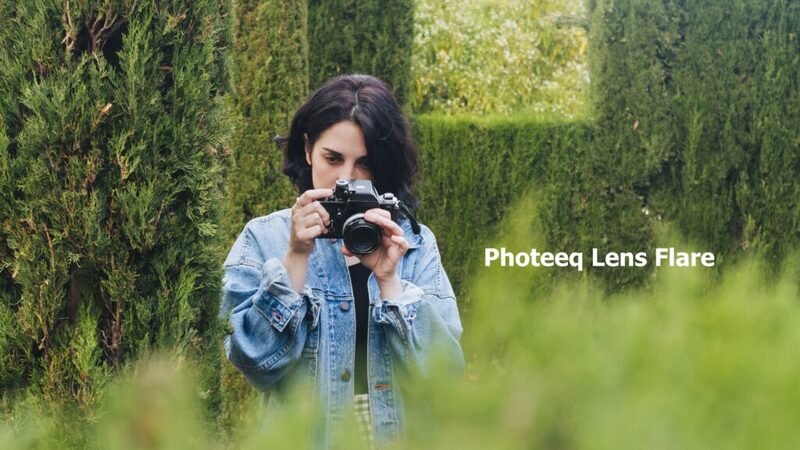
Visual editing grows stronger when creators use effects that enhance depth and emotion. The effect known as photeeq lens flare attracts attention because it adds warmth, brightness, and cinematic influence to photographs. Many editors explore this effect when they want subtle highlights that guide a viewer’s eye. These effects appear in portraits, landscapes, product photos, and digital artwork. The growing interest in light-based visuals strengthens the importance of learning how these elements behave in practical use.
Understanding the Purpose of Lens Flare
Lens flare adds character by introducing soft glows that shape atmosphere. The effect creates personality in images that require a unique sense of space. Photographers use it when working with sunlight, artificial lights, or reflective surfaces. This method creates depth without forcing dramatic edits onto the original photo.
Editors appreciate this effect because it offers creative control. They adjust brightness, movement, and direction to fit the mood. The effect gives images a natural look when placed gently around the subject. It becomes a useful part of a creative toolkit because it can change tone without removing realism.
The use of photeeq lens flare supports this artistic direction. It reflects the desire to create natural highlights through digital methods. This step helps editors explore ideas that combine aesthetic appeal with thoughtful design.
How Lens Flare Shapes Visual Storytelling
Editors use lens flare to guide focus. Light draws attention toward a specific detail in a frame. This technique influences emotion, clarity, and interpretation. Images benefit from slight brightness and light streaks that add personality. The impact appears in outdoor scenes, studio shots, and staged compositions.
Soft light creates a sense of openness. It allows the viewer to enter the scene. Photographers use flare to show the glow of a sunrise or the shine of a glass surface. The effect creates authenticity when handled with care. It supports storytelling by adding a layer that feels familiar and natural.
Digital creators explore these ideas through photeeq lens flare. Many photographers complement this creative work with next day photo printing, allowing clients and audiences to receive high-quality tangible prints of their captured moments almost immediately, preserving the impact of the shot while it’s still fresh
Enhancing Atmosphere With Light Control
Atmosphere in a photo depends on color, brightness, and placement. Lens flare helps create an environment that feels alive. Light across the frame adds motion and temperature. Shadows appear softer. Faces gain depth. Objects gain clarity.
Editors place flare near the edge of a frame to avoid distraction. This placement adds balance and lifts overall tone. It creates a path for the viewer’s eye to follow. The effect can lighten dark scenes and strengthen emotional influence. Many artists use it to create a warm tone in scenes that need gentle enhancement.
As editors explore new techniques, the effect of photeeq lens flare becomes a strong part of atmospheric development. The tool remains flexible enough for various editing styles and formats.
Digital Tools That Support Flare Creation
Modern editing platforms offer built-in tools that simulate lens flare. These programs create streaks, light balls, and glow patterns that appear natural. The editor controls strength, position, and speed. These options help shape a realistic outcome.
Creators adjust transparency to keep flare soft. They rely on blending modes for natural integration. The effect becomes part of the original image rather than an artificial layer. This function supports simple and complex edits.
Users who work with photeeq lens flare learn how digital tools respond to added brightness. Their control increases as they practice the placement of light. These skills support long-term creative growth.
Natural Light and Realistic Placement
The placement of flare matters. Artists observe where natural light enters a scene. They align digital flare with the original direction of light. This placement enhances realism. Photos look stronger when the light flows naturally.
Editors place flare behind objects to create silhouettes. They place it near the viewer’s angle to show contrast. They use it on hair, glass, and water for reflective beauty. These techniques add life to portraits and landscapes.
Careful placement prevents the effect from overwhelming important details. The goal is subtle enhancement rather than distraction. Photographers understand that gentle settings create the best results. This understanding supports the use of photeeq lens flare across diverse styles.
Wide Usage in Modern Visual Work
The use of lens flare appears in digital art, commercial shoots, travel images, and branding visuals. Many creative fields rely on enhanced lighting to build atmosphere. The effect shows warmth in outdoor scenes and elegance in product displays. It balances composition and adds emotion.
Content creators use flare while designing posters, banners, and websites. The effect helps images stand out without adding heavy design elements. It maintains minimalism while improving focus. It supports storytelling on social platforms and advertising campaigns.
These practices reflect the rising use of photeeq lens flare in online creative communities. The effect grows popular because it adapts to different styles with ease.
Softening Images Through Gentle Highlights
Soft highlights improve tone and style. Flare creates a glow that reduces harsh shadows. It makes faces look calm and smooth. This approach helps portrait photographers maintain clean, appealing results.
The effect also creates harmony in scenes that feature open spaces. Light spreads across the area and provides emotional warmth. The image feels alive and inviting. This type of softness works well for landscapes and outdoor structures.
Artists who explore photeeq lens flare discover how gentle highlights can change the feel of a photo. These highlights create a sense of comfort that pulls the viewer toward the scene.
Building Mood With Color Temperature
Color temperature plays a role in flare design. Warm colors create a friendly connection. Cool colors create calm settings. Editors adjust tone to fit the subject. This flexibility supports creative direction without changing basic composition.
Warm flare suits sunsets, gatherings, and romantic scenes. Cool flare suits water, winter settings, and quiet moods. Editors adjust these tones with simple tools that support natural blending.
This combination becomes effective when using photeeq lens flare. The color balance lifts entire scenes by shaping emotional expression.
Cinematic Influence on Photo Editing
Cinematic editing uses lens flare to create drama. The effect mimics the style of high-budget film scenes. Photographers explore similar ideas to create images that appear inspired by cinematography.
Cinematic flare enhances storytelling. It suggests movement and emotion. Viewers feel connected to the scene. This technique supports narrative building in both photography and digital art.
The growing interest in photeeq lens flare reflects this cinematic trend. Editors who enjoy film-inspired aesthetics use flare to elevate visual expression.
Integration Into Branding and Commercial Work
Brands depend on strong imagery to share messages. Lens flare supports promotional images by adding clarity and emotion. It highlights products without overpowering them. It adds depth that makes objects stand out in a simple setting.
Commercial editors use flare in clothing, accessories, travel gear, and digital products. The effect becomes part of marketing identity. It helps photos feel modern and appealing.
This approach aligns with how creators use photeeq lens flare in branding. The effect supports visual identity while keeping scenes minimal. for more information visit my website
Final Thoughts
The use of lens flare continues to influence creative editing. Artists rely on these effects to build atmosphere, shape emotion, and guide attention. The soft brightness improves tone and style without overwhelming original content. Editors develop strong visuals by focusing on gentle light placement and natural integration. Interest in photeeq lens flare grows as more creators explore how light transforms images. The effect remains valuable for portraits, landscapes, design work, and promotional content.
FAQ
1. What is a lens flare effect?
Lens flare is a visual effect that appears when bright light enters a lens and creates glow or streaks in an image.
2. Why do editors use lens flare?
Editors use it to add atmosphere, highlight important areas, and create warmth or mood in a scene.
3. Does lens flare reduce realism?
Lens flare increases realism when placed according to the direction of natural light. It strengthens visual tone when used carefully.
4. Can lens flare work in indoor scenes?
Lens flare can appear in indoor scenes when strong lights or reflective surfaces create bright paths in the frame.
5. Is lens flare suitable for branding visuals?
Lens flare supports branding by adding depth and emotional tone to product images and promotional photos.